Plot Twist: You Can Do Everything Right and Still Lose
Learning to Sit with Uncertainty

From Julia:
I honestly couldn’t tell you if I’ve ever watched a full episode of Star Trek in my life. I saw one of the newer movies with one of those Chrises, but I couldn’t tell you which one—or even which Chris.
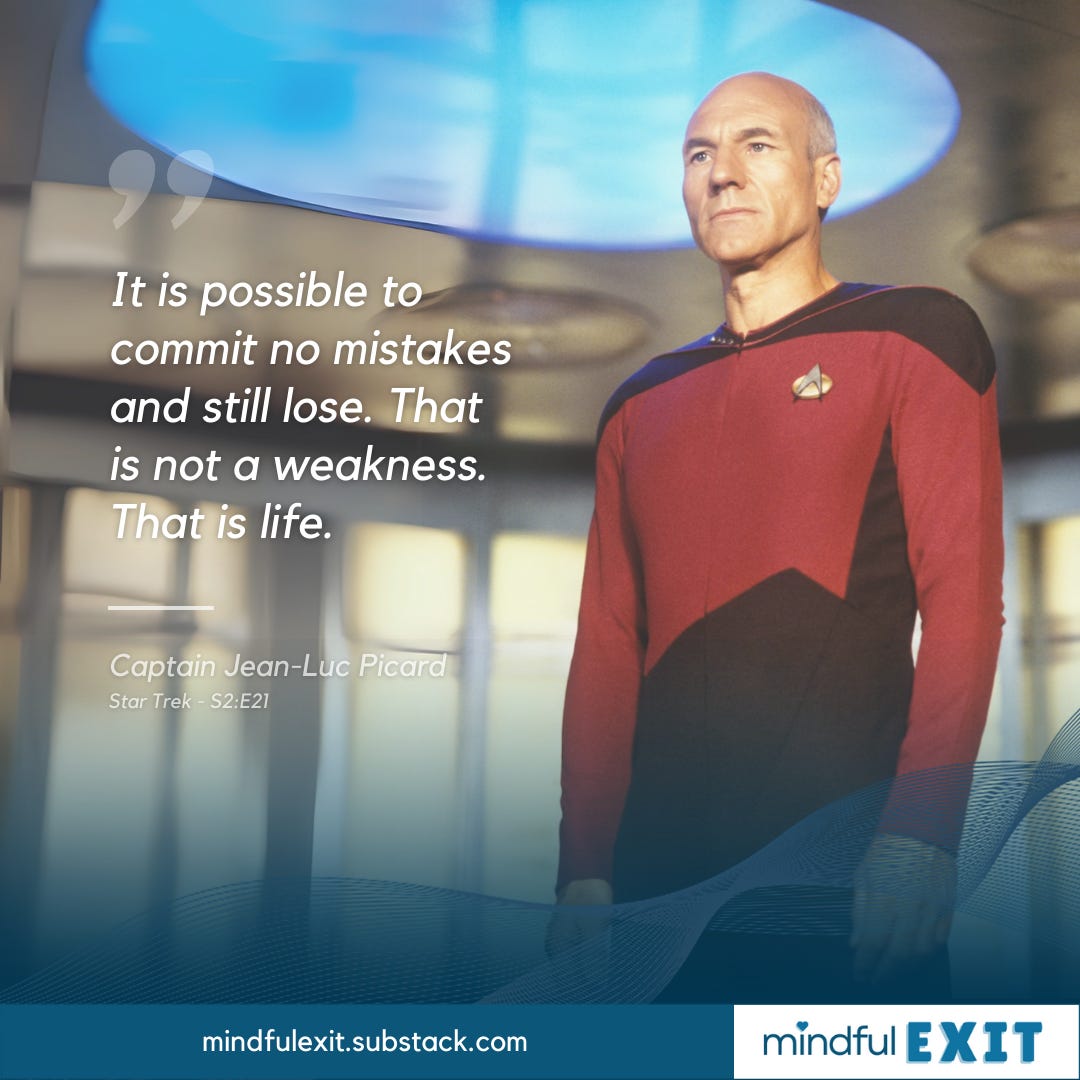
With that established, a quote from Captain Picard was shared with me months ago, and I can’t stop thinking about it:
“It is possible to commit no mistakes and still lose. That is not a weakness. That is life.”
This hits hard because so many of us were raised to believe that if we just followed the right path, everything would work out. But the truth? You can do everything “right” and still get knocked down. And that’s not a failure—that’s life.
The Fear of Making the "Wrong" Choice
Fear of making the “wrong” choice can be paralyzing. It’s easy to find yourself stuck, second-guessing decisions, almost like you’re waiting for some cosmic punishment for choosing wrong. This is a great example of how we can physically leave high-demand religion and still be mentally stuck in its patterns. Our brains continue to run that learned messaging, which makes perfect sense—especially when it’s all we’ve ever known.
Start Small
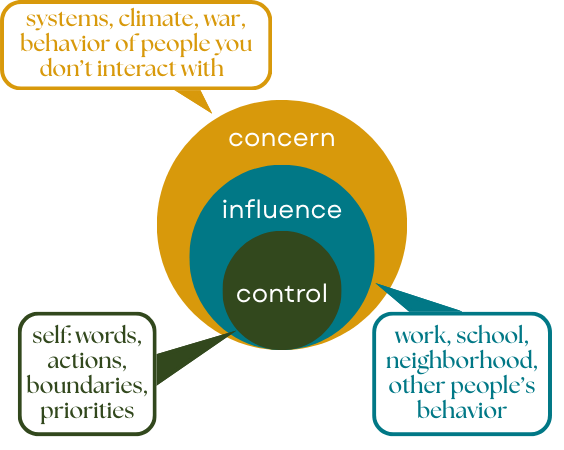
When you’re in a tight-knit community that always tells you what to do, it’s easy to feel lost once that structure is gone. Instead of shutting down, what if we let ourselves start small? What’s one thing you can do with the control you do have?
Let’s explore three common mental traps and how we can gently challenge them:
1. Playing Into Superstitions
We’ve all heard things like:
"Knock on wood."
"Don’t jinx it."
"Bad things happen in threes."
These habits may seem harmless, but they reflect an underlying fear that outcomes are out of our control.

Religious rules can often function like superstitions:
Wearing garments will protect you from harm.
Praying over food will nourish your body.
Paying your tithing will make ends meet.
These reinforce fear-based thinking and keep us stuck in self-doubt.
Challenge the thought:
When something superstitious sneaks into your mind, say it out loud:
“Of course that’s not true because…”
Recognizing that you have control over your choices—not some external force—can empower you.
2. Belief in Conspiracy Theories
When you’ve been raised to believe that absolute truth comes from authority figures, it’s easy to be drawn to conspiracy theories. Certainty feels safer than ambiguity—even when it’s based on shaky logic.
A 2024 study from Cambridge University found that people who interpret religious teachings literally are more likely to believe in conspiracy theories. Even the Church’s own newspaper reported similar findings.
A well-known religious conspiracy belief is that any information about the Church from outside sources is “anti-Mormon” and untrustworthy.
This makes sense—having any answer, even an incorrect one, feels safer than sitting with uncertainty.
Strengthen critical thinking skills:
Engage in curiosity: Don’t understand something? Ask questions. Keep asking “why,” like a curious 7-year-old.
Vary your sources: Seek out different viewpoints to get a more balanced understanding of the world.
3. Black & White Thinking
Black and white thinking reduces everything to two extremes: right or wrong, good or bad. Religion often reinforces this:
Good vs. evil (literally the Garden of Eden story)
The “right” choice vs. the “wrong” one
Sexual attraction limited to man and woman
Member vs. non-member
But life is more nuanced than that.
Challenge over-simplicity:
Look for examples that complicate the idea of good vs. bad. When things feel uncomfortable, sit with the gray. You don’t have to have all the answers right now.
One of the best pieces of advice I received after leaving the Church was that I didn’t have to make any immediate decisions. I could simply exist in the gray.
An example: I felt overwhelmed by the sheer number of church-related books I had inherited from my grandfather. A year after leaving, I sorted them into a “keep” and “donate” pile. Over time, the keep pile got smaller. I allowed myself to let go slowly, on my own terms.
Conclusion:
Life isn’t about having all the answers or getting everything right. It’s about learning to sit with uncertainty, to challenge old patterns of thinking, and to trust yourself. You don’t have to overhaul your life overnight—just start small. The goal isn’t perfection; it’s growth. Mistakes and setbacks aren’t failures—they’re part of the process. Practice!
Start small
Challenge the thought
Strengthen critical thinking skills
Challenge over-simplicity
Captain Picard had it right: Sometimes you can do everything right and still lose. And that’s not weakness—that’s life.
Exciting news!
Starting March 30, we’ll be offering a paid post every 5th Sunday, connecting the principles from Adult Children of Emotionally Immature Parents to deconstructing high-demand religion.
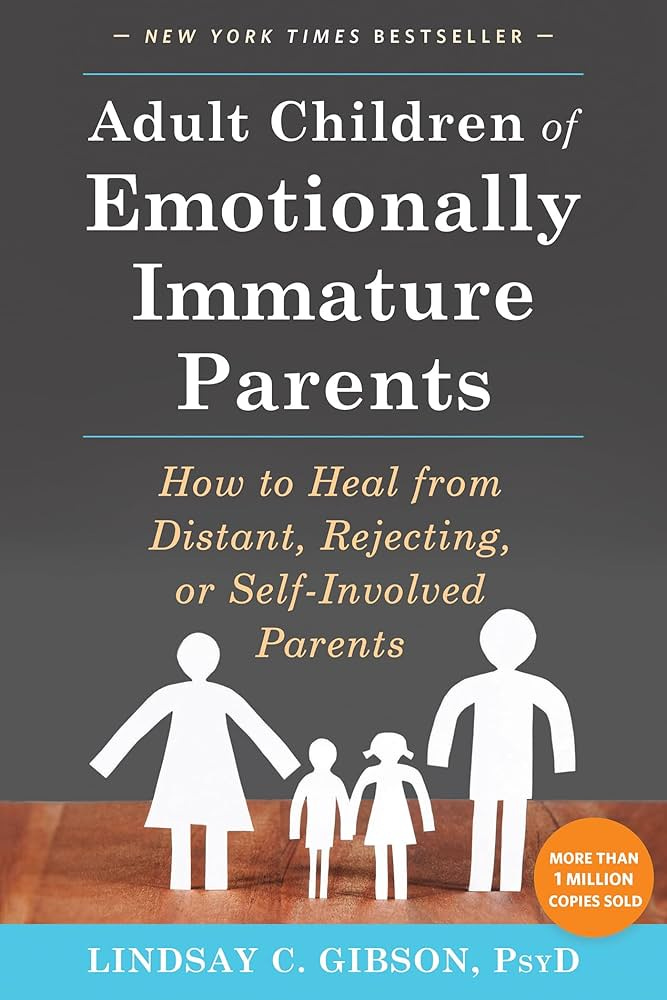
These posts will have a different format, including video conversations about the topic.
No pressure! We just wanted to give you a heads-up in case you’d like to review the chapters beforehand. 😀
March 30: Exploring the Link Between Emotionally Immature Parents and High-Demand Religion (Introduction – Chapter 3)